
Difference and role between a Shirasaya and Koshirae
ピックアップ展覧会Understanding the Difference Between Shirasaya and Koshirae
Japanese swords are typically stored in a plain wooden scabbard known as a shirasaya.
Also referred to as a “resting scabbard,” the shirasaya is designed to protect the blade from rust and moisture during storage. It is made from ho wood (magnolia), a material chosen for its ability to regulate humidity and preserve the sword’s condition. Functionality is prioritized over decoration—much like pajamas or loungewear, the shirasaya serves as the sword’s attire for rest.
One unique feature of the shirasaya is its intentionally splittable construction. Traditionally, rice paste has been used as an adhesive, allowing the scabbard to be opened and resealed with ease. Unlike modern glues, this method enables simple maintenance: the scabbard can be split open, cleaned, and reassembled without damage.
Even if rust forms inside the shirasaya, it can be removed by opening the scabbard and wiping the interior, allowing continued use. This practical design reflects the wisdom of earlier generations and their thoughtful approach to sword preservation.


If the shirasaya is akin to pajamas or loungewear for a sword, then the koshirae is its formal suit—worn when venturing out or attending official duties.
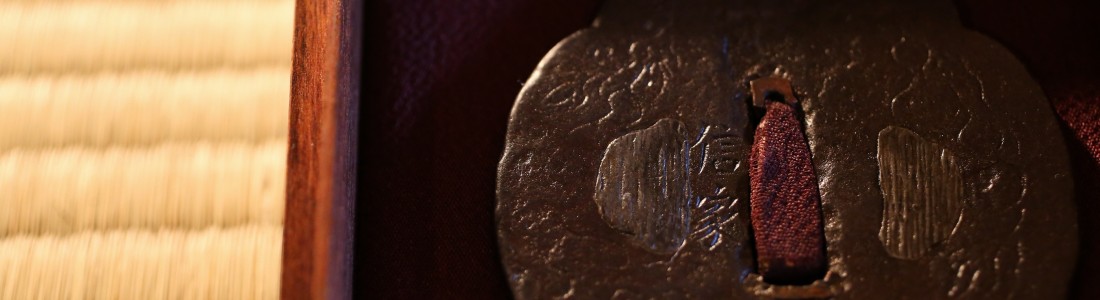
When samurai left their homes or entered the castle for public service, they would remove the blade from its shirasayaand mount it with a hilt (tsuka), guard (tsuba), and other fittings to create a koshirae. In this sense, the koshirae represents the sword’s “formal dress.”
Unlike the plain wooden shirasaya, the scabbard of a koshirae is typically lacquered and reinforced, making it impossible to split open for cleaning. After returning from an outing, the blade would usually be placed back into its shirasaya for proper storage.
A single sword might have multiple koshirae mountings—such as a black lacquered version for formal occasions and a red lacquered one for casual use. This practice of “dressing” the sword according to the setting reflects a unique blend of aesthetic sensibility and practical function in Japanese sword culture.


In essence, the shirasaya is a simple, practical piece of equipment for safe storage of the sword, while the koshirae is a utensil that combines beauty and functionality in the use of the sword. Both items are an integral part of Japanese sword culture.


